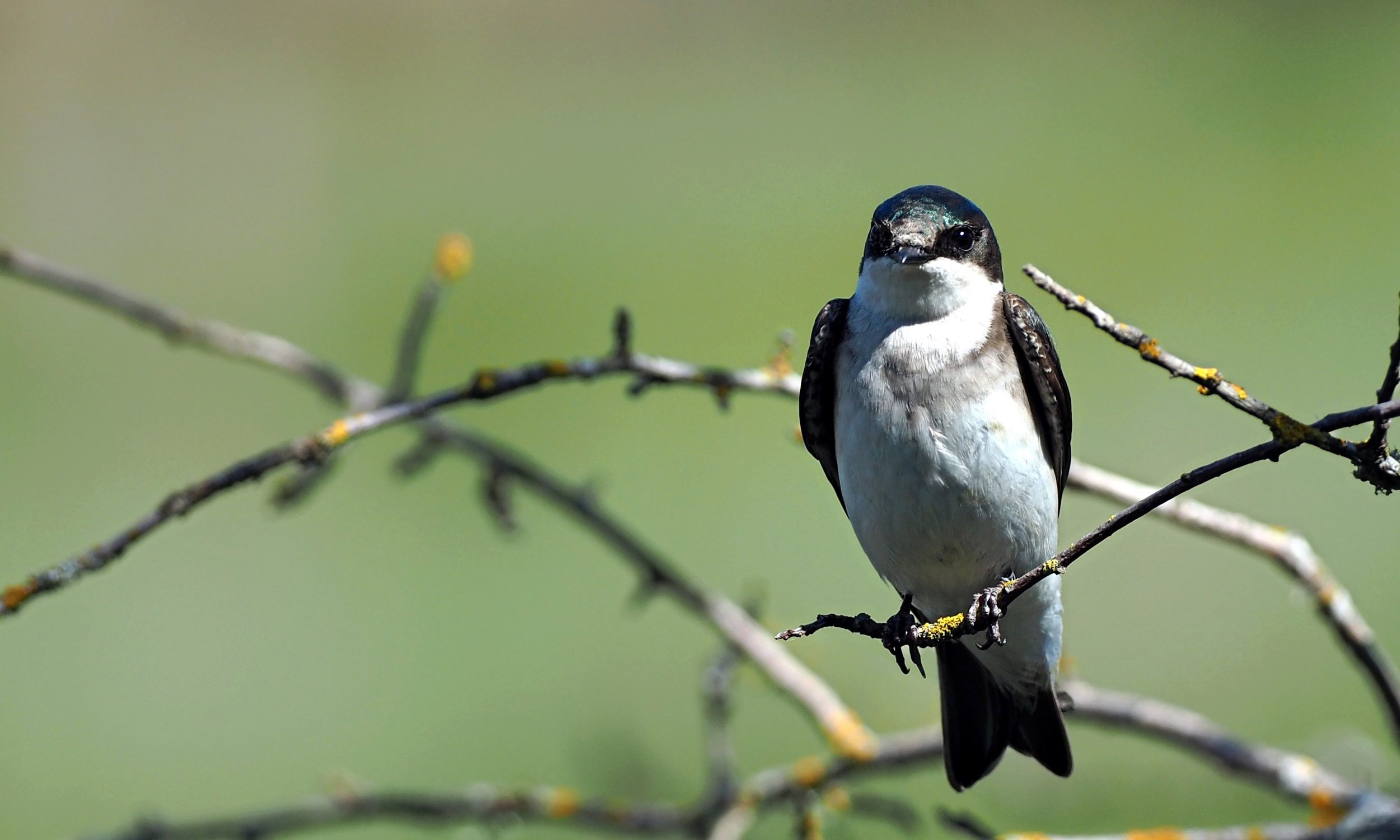
Exploring interactions between animals and their environments
Photo: Raul Suarez
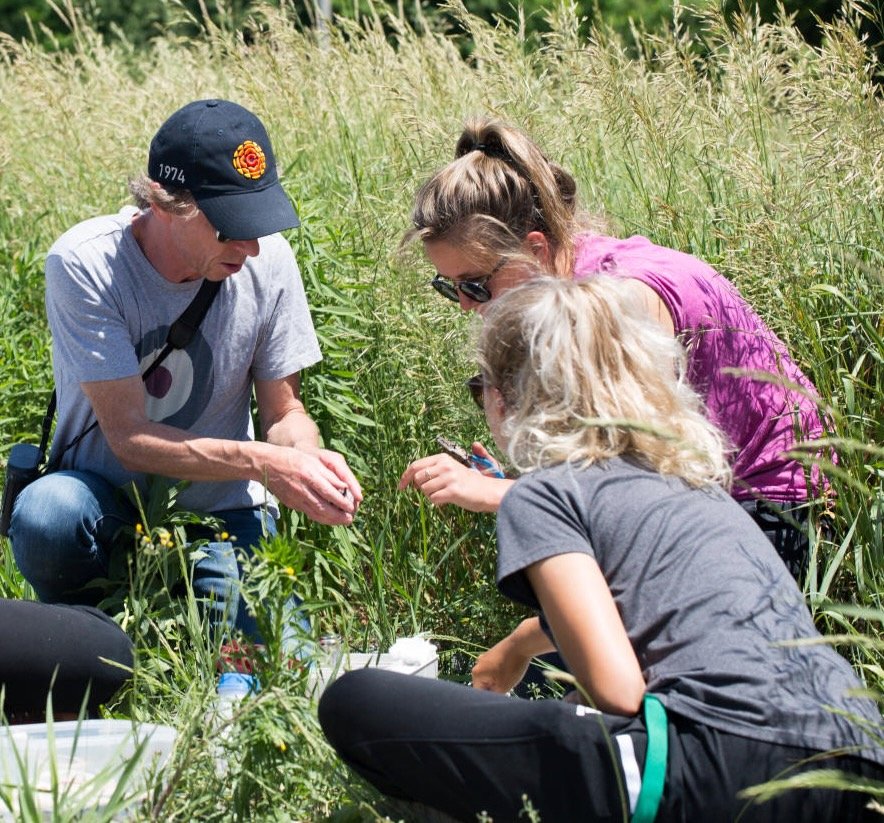
About the lab
Our research falls within the fields of ecological, evolutionary, and conservation physiology. We combine field and laboratory studies to understand how birds, mammals and fish respond to environmental stressors.
Good news
-
New lab publication
Sept 2026
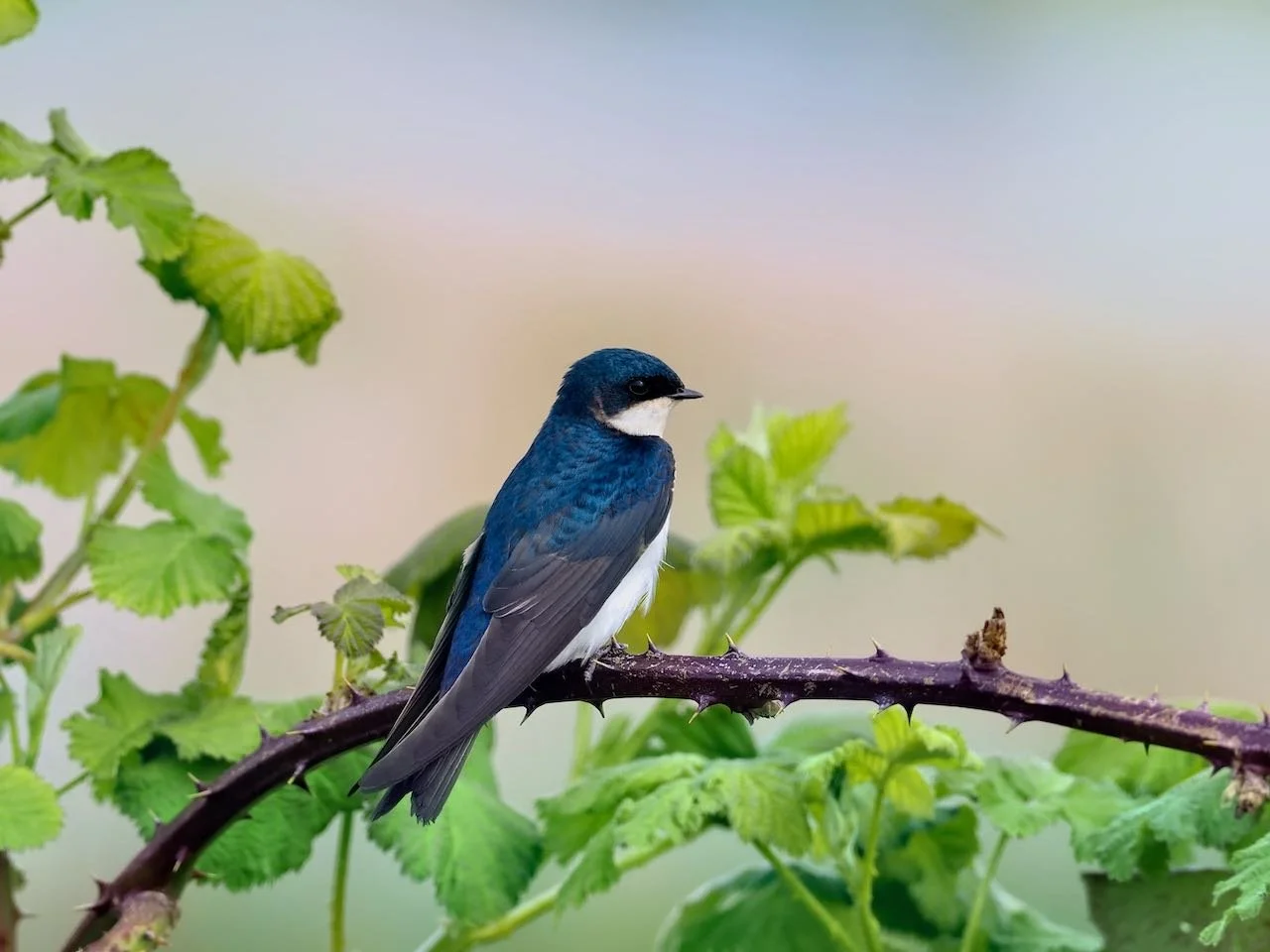
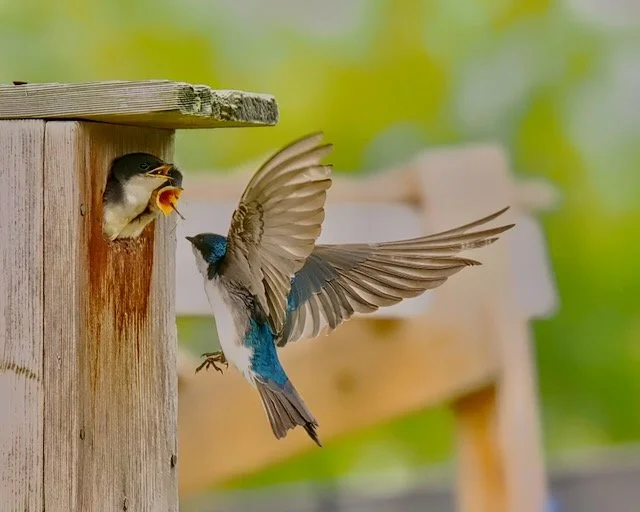
Congratulations to PhD Candidate Megan Heft on her recently accepted manuscript. Megan found that artificial light at night had surprising few effects on parental effort in tree swallows.
Read it here
Image: Raul Suarez
-
Student Award
April 2026
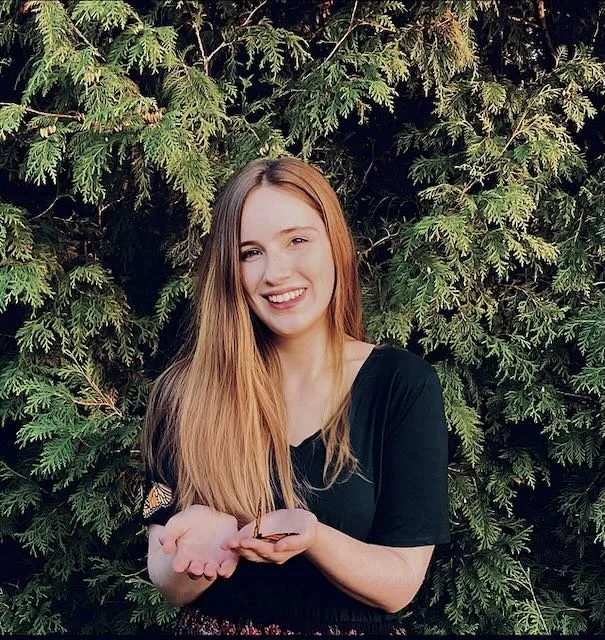
Congratulations to PhD candidate Emma Byers on receiving a Queen Elizabeth II Ontario Graduate Scholarship for her research on butterflies.
-
New lab publication
Feb 2026
Congratulations to Megan Heft on her first publication. Megan showed that although male tree swallows increase their body temperature while feeding their nestlings, work rates are not limited by the male’s capacity to dissipate heat.
Read it here
“For such a large number of problems there will be some animal of choice, or a few such animals, on which it can be most conveniently studied.”
— August Krogh, 1929
Why our work matters
We provide scientists and managers with rigorous physiological data on the limits to organismal performance, and on the role of phenotypic plasticity as a mechanism to permit population persistence in response to rapid environmental change
Join the lab!
Interested in animal ecological, evolutionary, or conservation physiology?
We welcome inquires for prospective undergraduate and graduate students, as well as post-doctoral fellows

Photo: Johanna Schroeder